How Much Salt Do You Need to Stop Weeds from Growing? Effective Tips for a Weed-Free Garden
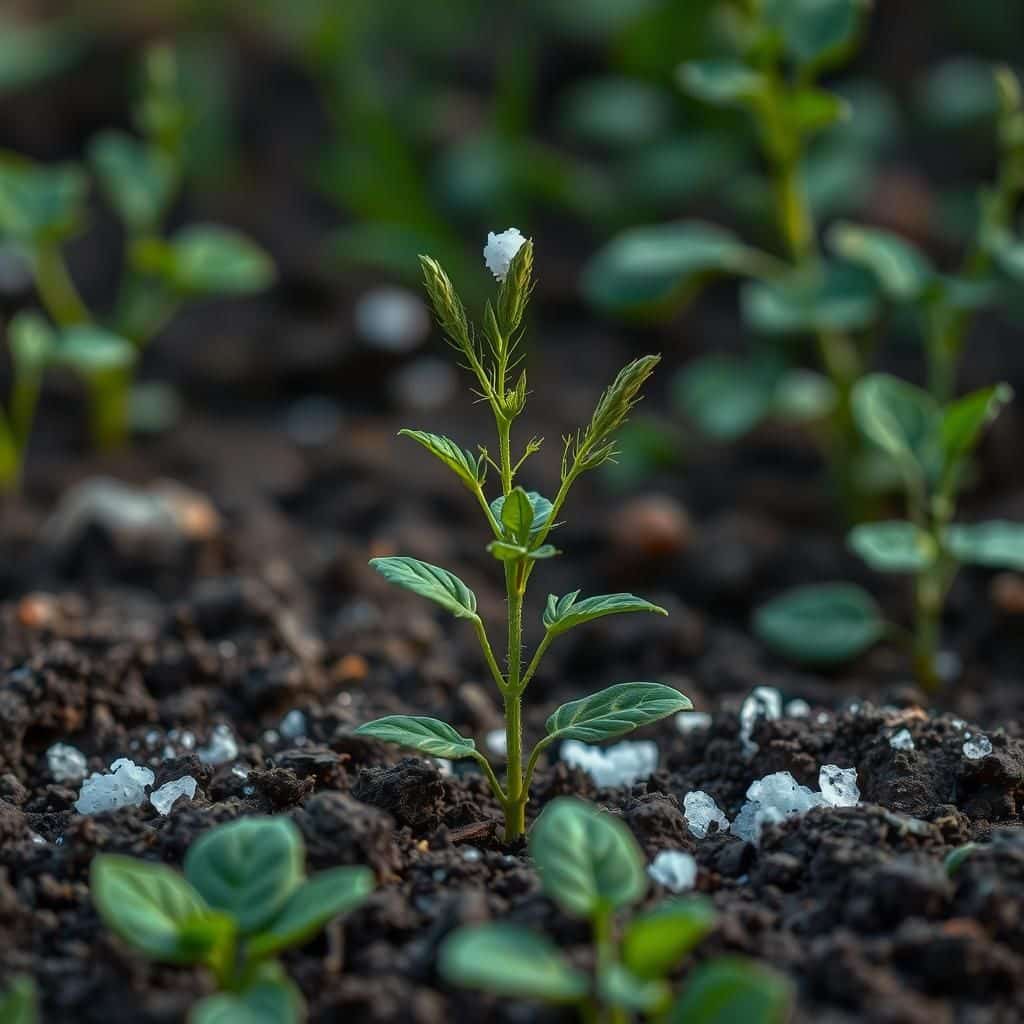
Weeds can be a gardener's worst nightmare, quickly overtaking prized plants and disrupting the natural balance of your garden. One common household item, salt, is often touted as a natural weed killer. But how much salt is actually needed to effectively control weeds without harming your garden? In this article, we will explore the science behind using salt as a weed deterrent, provide effective tips for application, and discuss the potential risks associated with its use. With the right approach, you can create a weed-free garden while maintaining the health of your plants and soil.
How Much Salt Is Needed to Prevent Weeds?
To effectively use salt as a tool for combating weeds, it's essential to understand that the amount needed varies depending on the size of the area being treated and the type of weeds you are targeting. Generally, a solution made up of 1 to 3 cups of salt mixed with 1 gallon of water is a practical starting point. This concentration can deter a variety of weed species without excessively harming surrounding plants when applied carefully. However, it's crucial to note that while salt can be an effective herbicide, it also poses risks to soil health and can impact beneficial plants if not applied judiciously.
Benefits of Using Salt for Weeds
Using salt as a weed killer offers several advantages, including its cost-effectiveness and ease of application. Unlike commercial herbicides that may contain harsh chemicals, salt primarily consists of sodium chloride, making it a more natural option for those seeking to minimize synthetic inputs in their gardening or landscaping efforts. Moreover, salt can be particularly effective in areas where chemical options are not viable, such as around driveways and walkways.
Risks Associated with Salt Application
Despite its efficacy, there are significant risks associated with the application of salt for weed control. High concentrations can lead to soil salinization, adversely affecting not only weeds but also surrounding plants and soil organisms. This can disrupt the delicate balance within the ecosystem, leading to decreased soil fertility and prolonged damage to beneficial flora. Consequently, it's crucial to apply salt with caution, ensuring it targets only the intended areas without excessive runoff.
Best Practices for Salt Application
When using salt to manage weeds, follow best practices to minimize negative impacts. Diluting the salt in water is essential; a common ratio is 2 cups of salt to 1 gallon of water. Use a spray bottle or a garden sprayer for more precise application, aiming at the weed leaves while avoiding contact with desired plants. It's also advisable to apply the solution during dry weather, allowing the salt solution to penetrate the weeds effectively without dilution from rain.
Alternative Natural Weed Management Techniques
In addition to salt, there are several other natural methods to manage weeds. Methods such as using vinegar, boiling water, or even applying a thick layer of mulch can inhibit weed growth effectively. For example, vinegar contains acetic acid, which can dehydrate and kill weeds upon contact. These alternatives may also provide a more sustainable method of controlling unwanted plant species, preserving the health of the surrounding environment.
See also:
Measuring Salt for Optimal Efficiency
To achieve optimal results, it’s important to measure and mix the salt accurately. A simple table can help determine the amount of salt needed based on the treated area size:
| Area Size (sq. ft.) | Salt (cups) | Water (gallons) |
|---|---|---|
| 100 | 1 | 1 |
| 500 | 3 | 1 |
| 1000 | 5 | 2 |
This table can guide you in determining how much salt and water to use, ensuring you apply an effective but safe solution for weed suppression.
Understanding the Role of Salt in Weed Control
Using salt as a means to manage weeds in your garden can be an effective strategy, but it is essential to understand the correct application to avoid damaging your desired plants. Salt works by drawing moisture out of the weeds, effectively dehydrating them. However, if used in excess, it can also harm the surrounding soil and limit the growth of beneficial plants. A solution of approximately 3 cups of salt mixed with a gallon of water can be a potent method to target persistent weeds, but caution should be taken to avoid overspray on the surrounding vegetation. Understanding the balance is crucial to enhance your garden's health while effectively reducing weed presence.
Types of Weeds Affected by Salt
Not all weeds respond equally to salt treatment. Broadleaf weeds, such as dandelions and clover, tend to be more susceptible to salt damage than grassy weeds like Bermuda grass. Understanding the specific types of weeds in your garden will help you determine if a salt solution is the right choice for your weed control efforts. Salt is most effective against smaller or younger weeds, as they have not yet developed robust root systems and can be more vulnerable to dehydration caused by the salt.
Best Methods for Applying Salt to Weeds
When applying salt for weed control, the method of application is key to achieving optimal results. Consider using a spray bottle or a paintbrush to apply the salt solution directly to the leaves of the weeds, minimizing contact with the surrounding soil and plants. Preventing overspray is critical, as excessive salt in the soil can lead to toxicity issues. Additionally, it is suggested to apply the solution during the dry season when weeds are actively using moisture, thus increasing the chance of effectively eliminating them without harming desired plants.
Alternatives to Salt for Weed Control
While salt is an effective tool for weed management, there are also various alternative methods worth considering. Vinegar, for example, is a popular non-selective herbicide that can also assist in controlling weeds effectively without introducing salt into the garden. Applying boiling water directly to weeds can scorch them, providing an immediate solution without the risk of long-term soil damage. Exploring these alternatives can broaden your options while still maintaining a weed-free garden environment.
See also:
Environmental Considerations of Using Salt
The use of salt in gardening presents several environmental considerations that should not be overlooked. High concentrations of salt can lead to soil degradation, negatively impacting the microbial life essential for soil health. Moreover, runoff from treated areas can contaminate nearby water sources, raising salinity levels and harming aquatic ecosystems. It is crucial to consider these environmental impacts and explore more sustainable methods for weed management to preserve both your garden's health and the local environment.
Long-term Effects of Salt on Soil Health
Repeated use of salt in gardening can have long-term effects on soil health that may not be immediately visible. Over time, soil can become salinized, leading to reduced nutrient availability for plants and decreased water retention capacity. This deterioration can severely affect future planting efforts and the biodiversity of the garden ecosystem. To mitigate these long-term impacts, it is recommended to use salt sparingly and to periodically test your soil's salinity levels to ensure a healthy, thriving garden.
Questions from Our Readers
How much salt is effective for controlling weeds?
To control weeds effectively, you generally need to use about 1 cup of salt mixed with 2 cups of water for a small area. Applying this solution directly to the weeds can kill them, but it’s important to use it sparingly to avoid damaging surrounding plants and soil health.
Is salt a safe option for weed control?
While salt can effectively kill weeds, it is not considered an environmentally friendly option. Excessive use of salt can lead to soil degradation and affect the growth of desired plants, making it essential to use it cautiously and consider other organic methods of weed control.
Can salt kill all types of weeds?
Salt can kill many types of weeds, especially annuals and young plants, but it may be less effective on perennial weeds with established root systems. It's often better suited for controlling small infestations rather than large or deeply rooted weed populations.
How often should you apply salt for weed control?
It’s advisable to limit salt application to a one-time treatment for specific areas, as frequent use can lead to soil salinization. Monitor the effectiveness after the first application and consider other methods if weeds persist, to maintain soil health and fertility.
See also:

If you want to read more articles like How Much Salt Do You Need to Stop Weeds from Growing? Effective Tips for a Weed-Free Garden, we recommend you check out our Weeds category.
Leave a Reply
Related Articles