Discover the Best Hedging for Rural Property Fence Line Queensland: Top Options for Your Landscape

When it comes to enhancing the aesthetics and functionality of rural properties in Queensland, selecting the right hedging for fence lines is crucial. A well-chosen hedge not only provides privacy and security but also adds value to your landscape. This article explores the top hedging options tailored for Queensland’s unique environment, taking into account factors such as climate, soil type, and maintenance requirements. Whether you are looking for fast-growing varieties, native plants, or drought-resistant options, we've got you covered. Discover how to create an inviting and practical border for your property that complements the natural beauty of the region.
Best Hedging Options for Rural Property Fence Lines in Queensland
When selecting the best hedging options for rural property fence lines in Queensland, it's essential to consider factors such as the local climate, soil type, and the desired aesthetic or functional benefits. Common choices like native plants not only thrive in the specific growing conditions of Queensland but also support local wildlife and ecosystems. For instance, species such as Lilly Pilly and Murraya provide excellent privacy and windbreak qualities. Additionally, considering plants that are resistant to drought and pests can ensure that the hedge remains healthy with minimal maintenance, thus contributing to the overall security and appearance of the property.
Native Plants for Hedging
Utilizing native plants for hedging along your fence line in Queensland is advantageous due to their natural adaptability to the local environment. Species like Callistemon (bottlebrush) and Grevillea are not only drought-resistant but also attract beneficial birds and insects. By choosing local varieties, property owners can create a hedge that promotes biodiversity, requiring less water and fertilizer compared to exotic species, making them an environmentally friendly choice.
Drought-Resistant Varieties
In a state like Queensland, where drought can be a significant concern, it’s wise to select hedging plants that are well-adapted to dry conditions. Plants such as Nandina and Pittosporum are suitable for creating dense hedges while withstanding periods of low rainfall. Incorporating these varieties allows property owners to maintain an attractive fence line without excessive irrigation, ultimately saving time and resources.
Pest-Resistant Options
Choosing pest-resistant hedging plants can greatly reduce the need for chemical interventions and help maintain a healthier environment around your property. Hedges formed with plants like Lilly Pilly and Murraya are known for their ability to deter common pests, making them an optimal choice for Queensland’s rural settings. These plants are also typically hardy and can withstand various environmental stresses, ensuring longevity for your fence line.
Height and Density Considerations
When deciding on hedging for fence lines, the height and density of the plants are crucial factors to consider based on the purpose of the hedge. For privacy or windbreaks, taller plants such as Photinia can be used, while lower-growing varieties like Dwarf Murraya are excellent for defined borders. A combination of different heights and densities can create a more natural look while serving diverse functions such as wildlife habitat and aesthetic appeal.
Design and Aesthetic Appeal
In addition to functionality, the design and aesthetic appeal of hedging can significantly enhance the overall appearance of a rural property. Selecting hedging plants with varying foliage colors and textures can create a visually pleasing landscape that complements the natural beauty of Queensland. For instance, incorporating plants with vibrant flowers or seasonal changes can add interest throughout the year, making the fence line an attractive feature of the property.
| Hedging Plants | Benefits | Water Needs | Pest Resistance |
|---|---|---|---|
| Lilly Pilly | Privacy, Wildlife Habitat | Moderate | High |
| Murraya | Fragrance, Density | Low | Very High |
| Callistemon | Attracts Birds | Low | Moderate |
| Grevillea | Drought Tolerant | Low | Moderate |
| Photinia | Height, Privacy | Moderate | High |
What hedges are good for fence lines?
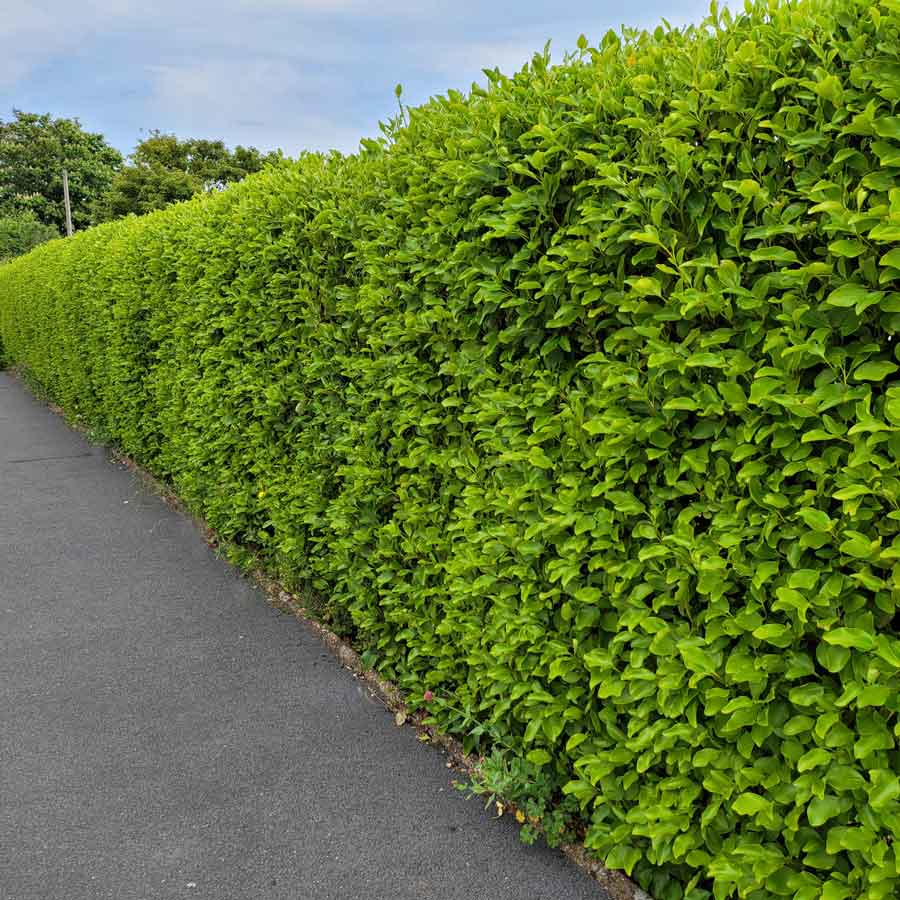
Types of Hedges Suitable for Fence Lines
Hedges can serve as both a natural barrier and an aesthetic enhancement to your property. Various types of hedges are well-suited for fence lines, providing privacy, windbreaks, and aesthetic appeal. Here are some popular options:
- Boxwood - Dense and easily shaped, boxwood is excellent for low to medium-height hedges.
- Laurel - Known for its lush foliage and rapid growth, laurel hedges provide excellent privacy.
- Privet - Fast-growing and adaptable, privet hedges can be trimmed and shaped as needed.
Benefits of Planting Hedges Along Fences
Planting hedges along fence lines can offer numerous advantages. They not only enhance the visual appeal of your yard but also serve practical purposes. Key benefits include:
- Privacy - Hedges can create a living barrier that boosts privacy similar to wooden fences.
- Noise Reduction - Thick foliage can help absorb sound, providing a quieter environment.
- Wildlife Habitat - Hedges often attract beneficial wildlife, improving the overall ecosystem in your garden.
Maintenance Considerations for Hedges
Maintaining hedges along fence lines requires specific attention to ensure they thrive and remain attractive. Regular maintenance is essential for healthy growth. Here are some maintenance tips:
- Regular Pruning - Keeps hedges dense and encourages healthy growth.
- Watering - Newly planted hedges require consistent watering to establish roots.
- Pesticide Use - Monitor for pests and use appropriate treatments to protect your hedges.
Choosing the Right Hedge for Your Climate
It's crucial to select hedges that are compatible with your local climate. Different plant species have varying tolerances to temperature and conditions:
See also:
- Hardiness Zone - Determine your zone to choose species that can withstand local climate extremes.
- Sun Requirements - Ensure the selected hedge matches the sunlight conditions of your location.
- Soil Type - Choose hedges that can thrive in your soil’s drainage and nutrient profile.
Combining Hedges with Other Landscaping Features
Integrating hedges with additional landscaping elements can create a cohesive aesthetic and functional space. Consider these features:
- Flower Beds - Enhance the look of hedges with colorful flower beds at their base.
- Pathways - Create well-defined pathways bordered by hedges for a structured layout.
- Garden Lighting - Strategically placed lights can highlight your hedges for nighttime appeal.
What is the best hedge for against a fence?
The best hedge to plant against a fence depends on various factors including climate, soil type, and the specific purpose of the hedge, such as privacy, aesthetics, or wildlife support. However, several popular options stand out for their effectiveness and adaptability.
Choosing the Right Type of Hedge
When selecting a hedge to plant against a fence, consider the following aspects:
- Height Requirement: Determine how tall you want the hedge to grow. Some options can reach heights suitable for privacy, while others may be shorter for decorative purposes.
- Growth Rate: Fast-growing species can provide quick coverage but may require more frequent maintenance.
- Climate Suitability: Ensure the hedge species you choose is suited to your local climate zones.
Popular Hedge Varieties
Here are a few popular hedge varieties that work well when planted against a fence:
- Boxwood: A classic choice for formal hedging, Boxwoods are evergreen and maintain shape well, making them ideal for a neatly trimmed appearance.
- Privet: This hardy shrub is fast-growing and can quickly create a dense privacy screen when planted near a fence.
- Arborvitae: Known for their tall, narrow growth habit, Arborvitae are perfect for creating tall hedges that provide ample privacy.
Maintenance Requirements
Different hedges have varying maintenance needs, which can include:
- Pruning: Regular pruning may be needed to maintain shape and promote healthy growth.
- Watering: Ensure adequate watering, especially during the establishment period, to support growth.
- Pest Control: Monitor for pests and diseases that may affect specific hedge varieties and treat accordingly.
Environmental Benefits of Hedges
Planting hedges can provide several environmental advantages:
- Wildlife Habitat: Hedges can serve as shelters and food sources for various wildlife, promoting biodiversity.
- Air Quality Improvement: Dense hedges can filter pollutants and improve air quality in urban areas.
- Soil Erosion Control: Hedges can help prevent soil erosion by stabilizing the soil with their root systems.
Legal and Property Considerations
Before planting a hedge against a fence, it's essential to consider local regulations and property boundaries:
- Property Lines: Make sure you are aware of where your property line is to avoid disputes with neighbors.
- Zoning Laws: Check if there are any restrictions or regulations regarding the height and type of hedges in your area.
- Neighbor Relations: Communicate with your neighbors about your hedging plans to maintain good relationships.
What is the best hedge to use instead of a fence?
The best hedge to use instead of a fence largely depends on your specific needs, such as the purpose of the hedge, the climate, and the amount of maintenance you are willing to provide. Generally, hedges can serve as effective boundaries, privacy screens, and aesthetic enhancements in your garden or yard. Some of the most popular options include buxus, leylandii, and laurel. Each of these hedges provides different benefits, such as fast growth, dense foliage, and adaptability to various soil types.
1. Understanding Hedges as Fencing Alternatives
Hedges can be an incredible alternative to traditional fencing. They offer a natural barrier that can enhance the overall aesthetic of your property while also serving practical purposes. One of the primary advantages of using a hedge instead of a fence is the added wildlife habitat they create. Hedges support biodiversity by providing shelter and food for birds, insects, and other wildlife.
- Natural Beauty: Hedges contribute to a more visually appealing environment.
- Wildlife Habitat: They attract various species, contributing to a balanced ecosystem.
- Noise Reduction: A dense hedge can help absorb sound, creating a quieter space.
2. Types of Hedges Suitable for Privacy
When selecting a hedge for privacy, it is vital to choose species that can grow tall and dense quickly. Some common types include Privet, Laurel, and Leyland Cypress. These species are favored for their ability to create thick screens that block the view from outside while also providing year-round greenery.
See also:
- Privet: Grows rapidly and can be easily shaped to your desired height.
- Laurel: Evergreen with a dense texture, excellent for privacy.
- Leyland Cypress: Known for its fast growth and height, ideal for tall privacy screens.
3. Maintenance Requirements for Hedge Alternatives
The maintenance of hedges varies significantly based on species and growth habits. Some hedges require frequent trimming and care, while others are low-maintenance. Generally, deciduous hedges tend to need more management than evergreen varieties, which maintain their structure without as much intervention.
- Trimming: Regular trimming is essential for maintaining shape and health.
- Watering: Newly planted hedges typically require consistent watering.
- Fertilizing: Nutrient application can vary based on the specific type of hedge.
4. Climate Considerations When Choosing Hedges
Different hedges thrive in various climatic conditions, making it essential to select a variety suitable for your location. For instance, boxwood is ideal for temperate climates, while cypress and laurel may excel in warmer regions. Understanding your climate helps in avoiding failures that can stem from planting a hedge that cannot withstand local weather conditions.
- Temperature: Ensure the hedge can tolerate your area's seasonal temperature extremes.
- Moisture: Consider the moisture level of your soil when selecting plants.
- Sunlight: Determine whether the hedge requires full sun, partial shade, or full shade.
5. Ecological Benefits of Using Hedges
Hedges play an essential role in improving local ecosystems. By opting for a hedge instead of a fence, you contribute to fewer hard surfaces, allowing for better water absorption and a more resilient local environment. They improve air quality by absorbing carbon dioxide and providing oxygen, making your living space healthier and more pleasant.
- Soil Improvement: Hedgerows enhance soil stability and help prevent erosion.
- Air Quality: Hedges improve the local air quality by filtering pollutants.
- Biodiversity Support: They create habitats that support a range of wildlife species.
What is the best hedge to block neighbors?
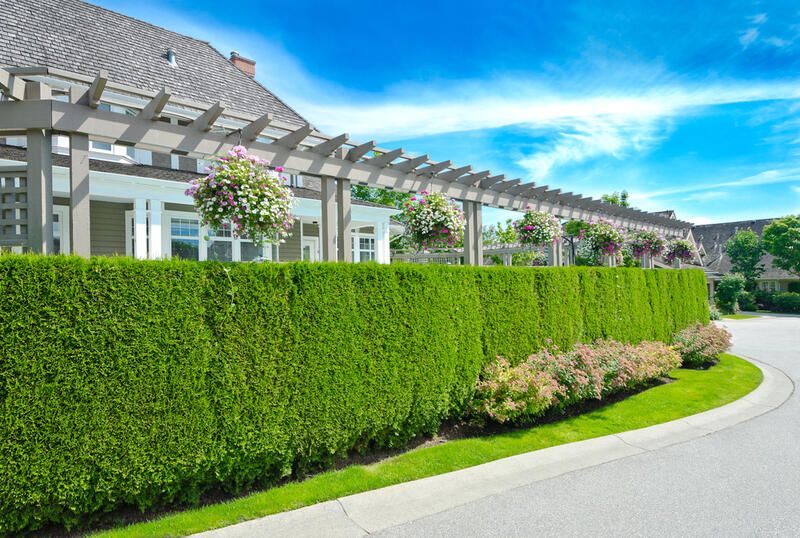
The best hedge to block neighbors typically depends on several factors, including local climate, the specific area of your yard, and personal preferences regarding appearance and maintenance. However, common choices include evergreens, which provide year-round coverage and privacy. Here are some of the most popular hedge types:
Types of Hedges for Privacy
Dense evergreen hedge varieties are favored for privacy due to their year-round foliage. The following are some excellent options:
- Arborvitae: Fast-growing and can reach heights of 10-15 feet, making them perfect for privacy screens.
- Holly: With its glossy leaves and bright red berries, holly also creates a natural barrier.
- Cypress: Known for its straight growth and height, cypress hedges can provide significant privacy and windbreak.
Maintenance Requirements
Choosing a hedge that suits your maintenance preferences is crucial. Some hedges require regular trimming, while others need minimal care. Consider the following:
- Boxwood: Requires frequent trimming to maintain shape but is very dense.
- Yew: Slow-growing but easy to shape and can last for decades.
- Laurel: Tolerates heavy pruning and can grow quickly but may need annual maintenance.
Climate Considerations
The local climate significantly affects hedge growth. Different types thrive in various environments:
- Cold Climates: Varieties like juniper and spruce are hardy for colder regions.
- Warm Climates: Privet and rosemary are better suited for warmer conditions.
- Wet Regions: Thujas and certain willows handle moist soil well.
Height and Density
The desired height and density of your hedge will determine your choice. You want a hedge that not only provides privacy but also looks appealing. Consider the following:
- Tall Hedges: Choose species like Thuja Green Giant or Leyland cypress for maximum height.
- Dense Growth: Opt for bushes like boxwood, which provide thick coverage.
- Layered Hedges: Combine different species for varied height and density, enhancing privacy and aesthetic appeal.
Legal Considerations
Before planting hedges, it's vital to check local regulations regarding hedge height and property lines. This can help you avoid disputes with neighbors:
- Height Restrictions: Many areas have codes limiting how tall hedges can grow.
- Property Lines: Ensure your hedge doesn't encroach on your neighbor's property.
- Maintenance Obligations: Some areas may require you to keep your hedge trimmed.
Questions from Our Readers
What is the best type of hedge for a rural property fence line in Queensland?
The best type of hedge for a rural property fence line in Queensland is typically native species that can withstand local weather conditions. Varieties such as lilly pilly and port Jackson fig are popular for their robustness and ability to create a dense barrier while also providing habitat for local wildlife.
How fast will a hedge grow along a fence line?
The growth rate of a hedge along a fence line can vary significantly depending on species and conditions, but most hedges can expect to grow between 30 to 60 cm per year. Proper care, including regular watering and fertilization, can enhance growth rates and help achieve a fuller appearance more quickly.
See also:
What maintenance do hedges require to stay healthy and effective?
To ensure that hedges remain healthy and effective as a fence line, they require regular pruning to maintain their shape and promote new growth. Additionally, ensure they receive adequate water, particularly during dry spells, and monitor for pests or diseases that could compromise their health.
Can hedges provide privacy and security on a rural property?
Yes, hedges can effectively provide both privacy and security for a rural property by creating a natural barrier that restricts visibility. A well-maintained hedge can serve as an excellent deterrent to intruders while also enhancing the property's overall aesthetic appeal.

If you want to read more articles like Discover the Best Hedging for Rural Property Fence Line Queensland: Top Options for Your Landscape, we recommend you check out our Hedges category.
Leave a Reply
Related Articles