Can You Use Cardboard to Fill the Bottom of a Planter? Here’s What You Need to Know!
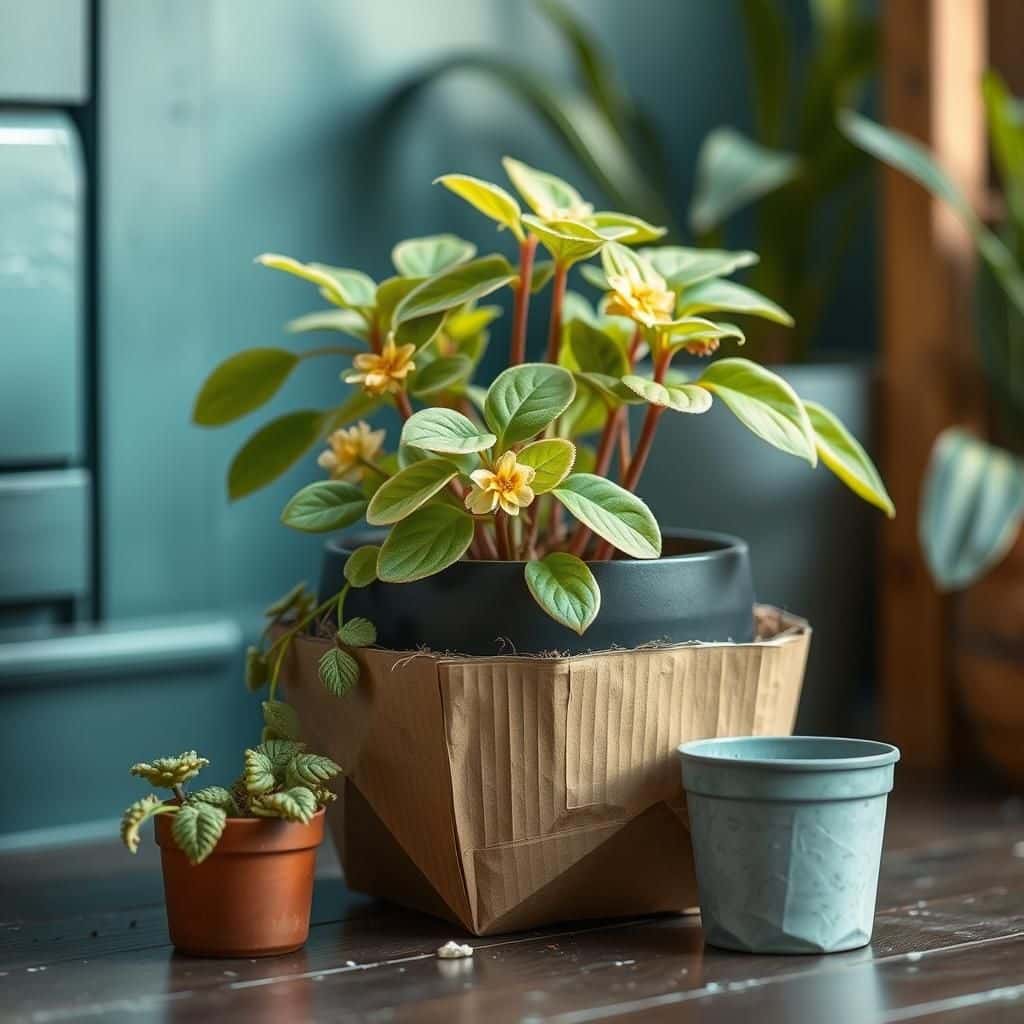
When it comes to gardening, many enthusiasts seek innovative and cost-effective ways to optimize their plant containers. One popular question arises: can you use cardboard to fill the bottom of a planter? This article will explore the benefits and drawbacks of using cardboard as a base layer for your planters. By understanding its properties, you can make informed decisions about your gardening practices. We will also discuss the impact of cardboard on drainage, soil health, and overall plant growth, ensuring you have all the essential information at your fingertips before you move forward with your planting plans.
Can Cardboard Be Used to Fill the Bottom of a Planter?
Yes, you can use cardboard to fill the bottom of a planter. This method is often employed as a sustainable and economical alternative to traditional drainage materials like gravel or stones. The cardboard acts as a barrier that helps retain moisture while allowing excess water to drain away, preventing root rot. Additionally, as the cardboard decomposes over time, it contributes organic matter to the soil, enhancing its overall fertility. It is important to ensure that the cardboard is free from any harmful chemicals or inks that could leach into the soil, and cutting it into smaller pieces can encourage faster decomposition.
Benefits of Using Cardboard in Planters
Using cardboard in planters offers multiple benefits. It aids in moisture retention, which is particularly helpful for plants that require consistent hydration. Additionally, it can reduce the weight of the planter compared to using heavier materials like rocks, making it easier to move. Lastly, the decomposition process contributes essential nutrients back into the soil, improving its health over time.
How to Prepare Cardboard for Planter Use
To prepare cardboard for your planter, first, ensure it is clean and free of any plastic coatings or inks. It’s best to use plain, brown cardboard without colored prints. Once you have suitable cardboard, cut it into small pieces or strips to create a layer at the bottom of the planter. This will help create a surface that allows for proper drainage while providing structural support.
Concerns About Using Cardboard
One concern regarding the use of cardboard in planters is the potential for pests to take up residence within the material. Over time, decomposing cardboard can attract insects such as termites or cockroaches. It is crucial to monitor your planter and replace the cardboard as necessary to prevent any infestations. Additionally, make sure to use only untreated cardboard to avoid chemical contamination.
Alternatives to Cardboard in Planters
While cardboard is an effective option for filling the bottom of planters, other alternatives include aquatic clay pebbles, landscaping fabric, and coir. These materials can also provide adequate drainage while allowing air circulation to the roots. Each alternative has its pros and cons, but ultimately choosing the right material may depend on the type of plants you are growing and your specific gardening needs.
Environmental Impact of Using Cardboard
Using cardboard in planters is an environmentally friendly choice as it promotes recycling and reduces waste. This biodegradable material breaks down naturally, unlike plastic alternatives, contributing positively to the ecosystem. By opting for cardboard, you are not only enhancing your gardening practices but also supporting sustainable practices that benefit the environment.
| Aspect | Cardboard | Other Alternatives |
|---|---|---|
| Moisture Retention | Good | Variable |
| Weight | Light | Heavy (e.g., stones) |
| Decomposition | Yes | No (permanence) |
| Cost | Low | Variable |
Can I put cardboard in the bottom of my planter?
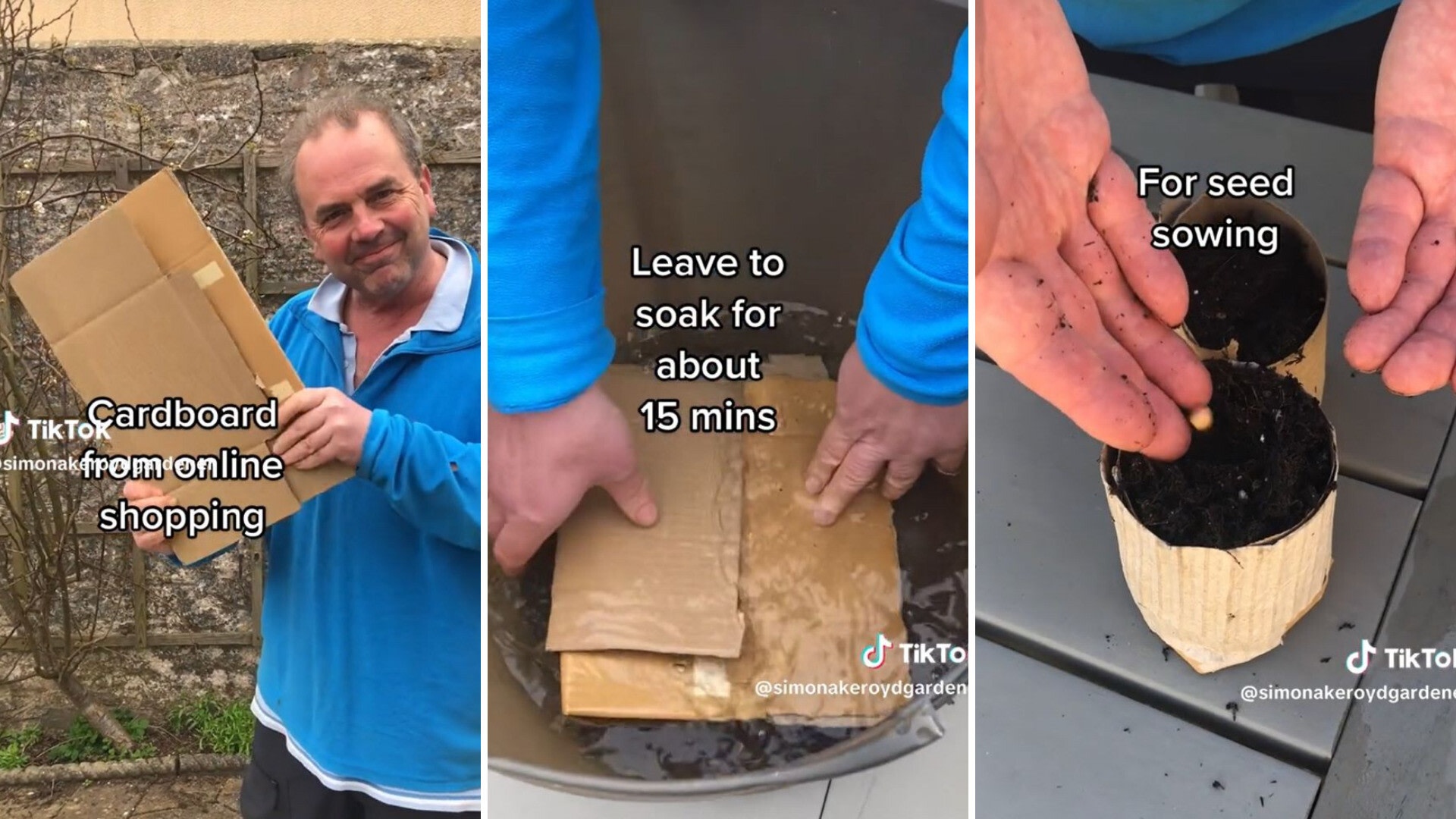
Yes, you can put cardboard at the bottom of your planter, but there are several factors to consider to ensure it benefits your plants and does not cause any problems.
Cardboard can serve as a helpful layer for drainage and weed prevention. It helps to retain moisture while allowing excess water to escape, which is essential for plant health. However, if not used correctly, it can also lead to compaction or create a barrier that hinders root growth.
Benefits of Using Cardboard in Planters
Using cardboard in your planters offers multiple benefits:
- Weed Suppression: Cardboard can block access to light, preventing weeds from germinating.
- Moisture Retention: It helps retain moisture in the soil, reducing the need for frequent watering.
- Soil Structure Improvement: As cardboard breaks down, it adds organic matter to the soil, enhancing its structure and nutrient content.
How to Prepare Cardboard for Planters
Before adding cardboard to your planters, it's essential to prepare it correctly:
- Remove Tape and Labels: Ensure all adhesives are removed, as they can release harmful chemicals.
- Cut to Size: Trim the cardboard to fit the base of your planter without excessive overlap.
- Soak the Cardboard: Wetting the cardboard before use can help it decompose faster and provide moisture to the soil.
Potential Drawbacks of Using Cardboard
While there are benefits, there are also potential drawbacks to consider:
- Decomposition Time: Cardboard takes time to break down, which can temporarily affect drainage.
- Compaction Risk: If placed too thick, it may compact and block air and water movement in the soil.
- Potential Chemical Leaching: If not prepared properly, adhesives and inks may leach into the soil.
Alternatives to Cardboard in Planters
If you're hesitant about using cardboard, several alternatives might be effective:
See also:
- Landscape Fabric: A breathable material that allows water to pass while suppressing weeds.
- Wood Chips: These help improve drainage and break down over time, enriching the soil.
- Gravel: Adding gravel at the bottom improves drainage and prevents soil from clogging the drainage holes.
Tips for Using Cardboard Effectively
To maximize the benefits of using cardboard in your planters, consider these tips:
- Layering: Use cardboard as a bottom layer under soil or compost for best results.
- Combining Materials: Mix it with other biodegradable materials to support faster decomposition.
- Monitor Health: Keep an eye on plant health and soil moisture to make adjustments as needed.
Is cardboard a good filler for planters?

Cardboard can indeed be a good filler for planters, particularly due to its ability to provide structure, drainage, and moisture retention. Using cardboard as a base layer can reduce the amount of potting soil needed, which is environmentally friendly and economical. Additionally, it helps suppress weeds and increases the aeration of the soil.
However, there are several factors to consider when using cardboard in your planters. It is essential to ensure that the cardboard is free from harmful inks and coatings, as these substances can leach into the soil and affect plant health. Besides, cardboard should be shredded or torn into small pieces to facilitate decomposition and prevent any water retention issues.
Here are some specific aspects surrounding the use of cardboard as a filler in planters:
Benefits of Using Cardboard in Planters
Using cardboard as a filler has several advantages that can aid in cultivating plants effectively.
- Soil Moisture Retention: Cardboard can absorb moisture and retain it, benefiting plant roots especially during dry spells.
- Weed Suppression: A layer of cardboard blocks light, effectively preventing the growth of weeds.
- Cost-Effective: Using recycled cardboard reduces the need for purchasing additional filling materials.
How to Prepare Cardboard for Planters
Proper preparation of cardboard is crucial for its effective use in planters.
- Remove Inks and Coatings: Ensure that the cardboard is free of non-biodegradable inks or coatings that can harm plants.
- Shred or Tear: Cut the cardboard into smaller pieces for better air circulation and quicker decomposition.
- Layering: Position the cardboard at the bottom of the planter to prevent soil loss while allowing drainage.
Potential Drawbacks of Using Cardboard
Though there are benefits, there are also some potential disadvantages of using cardboard as a filler.
- Decomposition Time: Cardboard takes time to break down, which may temporarily affect the plant's growing conditions.
- Too Much Moisture: If not properly shredded, cardboard can hold too much water and create soggy soil conditions.
- Odor Issues: As it decomposes, cardboard can sometimes emit unwanted odors, especially if it retains excess moisture.
Alternatives to Cardboard Filler
If cardboard does not seem suitable for your planter, there are various alternatives to consider.
- Wood Chips: Provide excellent drainage and aeration while also breaking down over time to enrich the soil.
- Straw: Lightweight and offers good insulation, making it ideal for moisture retention and aeration.
- Peat Moss: Helps retain moisture and provides nutrients, although it is important to ensure it is sustainably sourced.
Best Practices for Using Cardboard in Planters
To optimize the use of cardboard as a planter filler, adhere to some best practices.
- Moistening: Wet the cardboard before placing it in the planter, which can help it mold better with the soil.
- Mix with Soil: Combine cardboard pieces with soil to enhance aeration and nutrient distribution.
- Monitor Progress: Regularly check the condition of the cardboard to ensure it is breaking down properly without affecting plant health.
What is the best thing to put in the bottom of a planter for drainage?

To improve drainage at the bottom of a planter, choosing the right materials is crucial. Effective drainage helps prevent waterlogging, which can lead to root rot and other plant issues. Here are some of the best options to consider for enhancing drainage in your planters.
1. Gravel
Using gravel at the bottom of your planter can significantly enhance drainage. The gaps between the stones allow excess water to escape easily while preventing soil from washing out.
- Gravel is relatively inexpensive and widely available.
- It provides excellent structural support for the soil above.
- You can layer it with other drainage materials for added efficiency.
2. Pottery or Clay Shards
Pottery or clay shards from broken pots can also serve as an effective drainage layer. They have irregular shapes that create pockets for water to flow through.
See also:
- They are a great way to recycle old pottery.
- The porous nature of clay helps in moisture regulation.
- Shards can prevent soil compaction over time.
3. Coarse Sand
Incorporating coarse sand into your planter can help improve drainage, as it allows water to move efficiently while providing some aeration to the soil.
- Coarse sand improves water flow and air circulation.
- It can be blended with soil to create a well-draining mix.
- Make sure to avoid fine sand, as it can create a compact layer.
4. Landscape Fabric
Using landscape fabric as a barrier over your drainage material is an excellent way to keep soil from mixing with gravel or sand. This ensures that air and water flow freely.
- It minimizes soil erosion and maintains drainage efficiency.
- Landscape fabric is durable and allows moisture to escape.
- It’s easy to cut and fit to any planter size.
5. Perlite or Vermiculite
Adding perlite or vermiculite can also improve drainage in planters. These lightweight materials create air pockets while also helping to retain some moisture.
- Perlite increases aeration and helps to keep the soil loose.
- Vermiculite can retain some moisture, making it suitable for specific plants.
- Both are excellent options for improving soil texture and drainage.
Can you line a planter with cardboard?
Yes, you can line a planter with cardboard. This method is often utilized in gardening for various reasons, including improving drainage, preventing weeds, and providing sustainable materials to decompose over time. However, there are certain considerations to keep in mind when using cardboard in your planters.
Benefits of Using Cardboard in Planters
Using cardboard in your planter can offer various benefits that can significantly enhance your gardening experience. Here are some reasons why you might consider this approach:
- Weed Prevention: Cardboard acts as a barrier, blocking sunlight and thus inhibiting the growth of weeds.
- Soil Retention: It can help retain moisture in the soil, ensuring that your plants have consistent access to water.
- Eco-Friendly: By using cardboard, you are recycling and reducing waste, contributing to a more sustainable gardening practice.
How to Properly Line a Planter with Cardboard
Lining a planter with cardboard requires careful preparation to ensure it serves its intended purpose effectively. Here’s how you can do it:
- Choose the Right Cardboard: Use plain cardboard without coatings or ink to avoid harmful chemicals leaching into the soil.
- Cut to Size: Measure the interior of your planter and cut the cardboard to fit snugly against the sides and bottom.
- Moisten Before Placing: Lightly moisten the cardboard before placing it in the planter to help it mold better to the shape and to prevent it from absorbing too much moisture from the soil.
When Not to Use Cardboard
While cardboard can be beneficial, there are some scenarios where it may not be suitable for all types of planters. Consider these factors:
- Pests Infestation: If the cardboard has been exposed to pests, it could potentially introduce them into your planter.
- Drainage Issues: In planters that require excellent drainage, cardboard could hold too much moisture and lead to root rot.
- Decomposition Speed: Depending on the environment, cardboard might decompose too quickly, losing its effectiveness as a barrier.
Alternative Materials for Planter Lining
If you decide that cardboard is not the best choice for your specific situation, there are other materials you can use to line your planter effectively:
- Landscape Fabric: This breathable material allows for drainage while preventing weed growth.
- Coconut Coir: A natural, biodegradable option that retains moisture while allowing air circulation.
- Plastic Liners: While not eco-friendly, plastic liners provide a water-proof barrier and are long-lasting.
Maintenance of Cardboard-Lined Planters
After you have lined your planter with cardboard, regular maintenance will ensure the best results for your plants. Here are some tips for maintaining cardboard-lined planters:
- Monitor Moisture Levels: Check the soil regularly to avoid overwatering, as cardboard can retain moisture.
- Replace When Necessary: Keep an eye on the cardboard for signs of decomposition or damage, and replace it if it deteriorates too much.
- Layering Organic Material: Consider adding organic mulch on top of the cardboard to further enhance moisture retention and suppress weeds.
Questions from Our Readers
Can you use cardboard to fill the bottom of a planter?
Yes, you can use cardboard to fill the bottom of a planter. It acts as a barrier to reduce soil loss while allowing water drainage. Using cardboard can also help in preventing weeds from growing through the bottom.
What are the benefits of using cardboard in a planter?
Using cardboard has several benefits, including improving drainage, reducing soil erosion, and enhancing aeration in the soil. Additionally, it can decompose over time, adding organic matter to the soil.
Should you remove labels and tape from cardboard before using it?
Yes, it is recommended to remove any labels and tape from the cardboard before using it in a planter. This prevents unwanted chemicals from leaching into the soil and allows for better decomposition.
How long does cardboard last in a planter?
The lifespan of cardboard in a planter can vary, but it typically lasts for several months before breaking down. The decomposition rate depends on factors such as moisture, soil conditions, and temperature, which can all influence how quickly it breaks down.
See also:

If you want to read more articles like Can You Use Cardboard to Fill the Bottom of a Planter? Here’s What You Need to Know!, we recommend you check out our Planter category.
Leave a Reply
Related Articles