What is the difference between a planter and a seeder? A Comprehensive Guide to Understanding the Key Differences

In the world of agriculture, understanding the tools used for planting is crucial for successful crop production. Two of the most essential implements are planters and seeders, but many people confuse the two. While both are designed to place seeds in the ground, their functionalities, designs, and the specific tasks they perform can vary significantly. This comprehensive guide aims to clarify the key differences between planters and seeders, helping farmers, gardeners, and agricultural enthusiasts make informed decisions based on their specific planting needs. Join us as we delve into the characteristics, advantages, and ideal applications of each tool.
What is the Difference Between a Planter and a Seeder?
The primary distinction between a planter and a seeder lies in their functions and mechanisms designed for planting seeds. A planter is typically used for larger scale operations and is capable of planting seeds, while also integrating the process of creating furrows, dropping seeds into those furrows, and occasionally applying fertilizers or other soil amendments. Conversely, a seeder is usually a simpler, more compact instrument designed specifically for sowing seeds, primarily used for smaller areas or garden plots. Seeders generally do not incorporate the soil preparation aspects of planting, focusing solely on the distribution of seeds in the soil.
Definition of a Planter
A planter is an agricultural tool or machine utilized primarily for sowing large-scale crops. It functions by preparing the soil through furrowing, while simultaneously placing seeds at a specific depth and spacing's. This process can often include other features such as fertilization or covering the seeds with soil, ensuring an optimal growing environment right from the beginning.
Definition of a Seeder
A seeder is a device designed specifically to distribute seeds on the soil surface or to plant them at shallow depths. Unlike planters, seeders often have simpler mechanisms and are more suited for smaller gardens or plots. They are ideal for planting vegetables, herbs, and flowers, allowing for a uniform seed distribution without the complexity of soil preparation.
Types of Planters
There are various types of planters suited for different crops and conditions, including push planters, tractor-drawn planters, and air seeders. Push planters are manual devices for small gardens, while tractor-drawn models are designed for farming larger fields. Air seeders utilize air pressure to distribute seeds, allowing for precise planting and reducing seed damage.
Types of Seeders
Seeders can also be categorized into several types such as broadcast seeders, drop seeders, and precision seeders. Broadcast seeders evenly distribute seeds over a wide area, making them suitable for lawns and pastures. Drop seeders release seeds at specific locations as determined by the operator, whereas precision seeders provide even greater accuracy, often using technology to ensure proper seed placement.
Key Differences in Usage
The choice between using a planter or a seeder largely depends on the scale and type of the agricultural operation. Planters are essential for large crop fields and operations requiring multiple planting functionalities, while seeders are often sufficient for garden-scale planting, focusing on ease of use, simplicity, and accuracy.
| Feature | Planter | Seeder |
|---|---|---|
| Function | Prepares soil and plants seeds | Sows seeds on the surface |
| Scale | Designed for larger operations | Ideal for smaller gardens |
| Soil Preparation | Includes soil tilling and fertilization | Focuses purely on seed distribution |
| Complexity | More complex machinery | Simpler and less expensive |
| Precision | Varies based on model | High precision available in advanced models |
What is the difference between a planter and an air seeder?
The difference between a planter and an air seeder lies primarily in their design and purpose within agricultural practices. Both are essential tools used for sowing seeds, but they function in different ways to accomplish this task.
Functionality
A planter is designed specifically for placing seeds in the soil at a precise depth and spacing. It usually cuts a trench or furrow and drops seeds into it before covering them back up with soil. In contrast, an air seeder uses air pressure to blow seeds and fertilizer through a network of hoses to the ground. This method allows for a more uniform distribution of seeds over large areas.
See also:
- Seed Placement: Planters place seeds with precision, while air seeders distribute seeds across larger fields.
- Depth Control: Planters can adjust to various soil conditions by controlling seed depth; air seeders do not have this capability.
- Compaction: The weight of planters can compact the soil; air seeders generally exert less pressure, reducing soil compaction.
Seed Types
Planters are often used for larger seeds, such as corn and soybeans, which benefit from precise planting depths. Air seeders are more versatile when it comes to seed types, as they can handle finer seeds, such as grasses and small crops, along with larger seeds.
- Seed Variety: Planters focus on larger seeds; air seeders accommodate a wider range of seed sizes.
- Seed Treatment: Planters can facilitate treatments applied directly to the seed, enhancing germination; air seeders primarily transport.
- Application Versatility: Air seeders can mix seeds with fertilizer, enhancing efficiency.
Field Conditions
The choice between using a planter or an air seeder often depends on field conditions. Planters perform optimally in prepared, smooth fields, while air seeders can operate in more rugged terrains and less prepared soils.
- Soil Preparation: Planters need well-prepared soil; air seeders are more flexible with different soil conditions.
- Terrain Adaptability: Air seeders are designed for rough or uneven landscapes.
- Weather Resistance: Air seeders can be used in less-than-ideal weather conditions compared to planters.
Operational Speed
Air seeders can cover more ground at a faster pace than planters, making them suitable for large-scale farming operations. Planters, while accurate, generally operate at slower speeds to ensure proper seed placement.
- Speed Efficiency: Air seeders allow for rapid sowing, perfect for large fields.
- Precision vs. Speed: Planters sacrifice speed for accuracy.
- Field Coverage: Air seeders excel in quickly covering extensive areas.
Cost and Maintenance
When considering investment, planters tend to be more expensive due to their complexity and precision components. Air seeders, while generally less costly, require different maintenance strategies based on their operational mechanisms.
- Initial Cost: Planters typically have a higher purchase price due to advanced features.
- Maintenance Needs: Air seeders require routine checks on their air systems, while planters focus on mechanical parts.
- Durability: Planters must be built to withstand rigorous conditions, impacting their overall lifespan.
What is the purpose of a seeder?

The purpose of a seeder is to facilitate the process of populating a database with initial data during the development or testing phases of software projects. This is crucial for developers as it allows for the rapid creation and manipulation of necessary test data without the need for manual entries each time the application is run. Seeders help ensure that a consistent environment is maintained, making it easier to test and debug applications.
Understanding Seeders
Seeders serve as a means to load data into a database automatically. When developers create an application, they often need a predefined set of data to work with, which can include users, posts, comments, or any other relevant entities. By using seeders, they can script the data entry process, allowing for a quick setup or reset of the database.
- Automated Data Entry
- Consistency Across Environments
- Facilitating Development
Benefits of Using Seeders
Utilizing seeders comes with several benefits that streamline the development workflow. They not only save time but also reduce the chances of human error associated with manual data entry. This automated approach enables developers to quickly test features and ensure that everything functions as expected under various scenarios.
- Time Efficiency
- Reduction of Human Error
- Scalability
Common Practices for Building Seeders
When building seeders, developers often follow best practices to ensure that the data is structured appropriately and is relevant to the application's needs. This may involve using factories to create random data, ensuring referential integrity, and maintaining clear documentation regarding the seeded data.
- Using Factories for Random Data
- Ensuring Referential Integrity
- Documenting Seeded Data
How Seeders Aid in Testing
Seeders can significantly improve the testing process by providing a reliable data set against which tests can be executed. This allows for repeatable testing scenarios that can help in identifying bugs more efficiently, as the same data can be used across different test runs.
See also:
- Repeatable Testing Scenarios
- Faster Bug Identification
- Data Variability in Tests
Examples of Seeder Use Cases
There are numerous scenarios where seeders are particularly useful. For instance, if a developer is creating an e-commerce application, they might seed sample products, categories, and users to test the shopping cart functionality. These examples illustrate the flexibility in how seeders can be employed across various types of applications.
- E-commerce Applications
- Content Management Systems
- Social Networks
What is considered a planter?

A planter is a container or structure used for growing plants, flowers, or vegetables. It comes in various shapes, sizes, materials, and designs, allowing individuals to cultivate plants in diverse settings such as gardens, balconies, patios, or indoors. The primary function of a planter is to provide adequate support and space for the root systems of plants while also allowing for drainage and access to nutrients.
Types of Planters
There are several types of planters, each designed to cater to specific gardening needs and aesthetics. Common types include:
- Traditional Planters: Usually made of wood or ceramic, these provide a classic look.
- Pots: Smaller containers that are versatile and perfect for individual plants.
- Raised Garden Beds: Elevated structures that offer ample growing space and easier access.
- Hanging Planters: Designed to be suspended, ideal for spaces with limited floor area.
- Wall Planters: Attached to walls, these are great for vertical gardening and saving space.
Materials Used in Planters
Planters can be made from a variety of materials, each impacting their durability, drainage capabilities, and aesthetic appeal. Common materials include:
- Plastic: Lightweight and affordable, but may not have the best drainage.
- Terracotta: Porous and excellent for drainage, giving a rustic look.
- Wood: Provides insulation for roots, but requires treatment to resist decay.
- Metal: Durable and stylish, but can heat up quickly under sunlight.
- Concrete: Very sturdy and weather-resistant, suitable for larger plants.
Drainage in Planters
Proper drainage is crucial for the health of the plants in any planter. Here are some key points about drainage:
- Drain Holes: Most planters should have holes at the bottom to allow excess water to escape.
- Drainage Materials: Including gravel or broken pottery at the bottom can help facilitate drainage.
- Avoid Overwatering: Good drainage prevents root rot and maintains soil health.
- Soil Mix: Using a well-draining soil mix is essential to ensure moisture balance.
- Elevation: Elevating planters can also help improve drainage and air circulation.
Choosing the Right Planter for Plants
Selecting the appropriate planter is vital for plant growth. Consider the following factors:
- Size: The planter should be large enough to accommodate the plant's root system.
- Style: Match the planter's design with the surroundings and the plant's characteristics.
- Mobility: Consider weight and portability if the planter needs to be moved often.
- Climate: Some materials are better suited for specific climates and environments.
- Functionality: Think about whether the planter will be used for decoration, growing vegetables, or both.
Planters in Urban Gardening
Planters play a significant role in urban gardening, where space is often limited. Here’s how they contribute:
- Space Efficiency: Planters allow for gardening in small areas such as balconies and rooftops.
- Accessibility: Elevated planters are easier to tend for those with mobility challenges.
- Community Gardening: Shared planters promote community interaction and sustainability.
- Air Quality Improvement: Plants in urban areas help improve air quality and add greenery.
- Food Production: Urban planters enable the cultivation of fresh produce in limited spaces.
Questions from Our Readers
What is the primary function of a planter?
A planter is primarily designed for planting seeds at a specified depth and spacing in the soil. It can also incorporate features like fertilizer application and soil preparation, ensuring optimal conditions for seed germination and growth.
How does a seeder differ from a planter in terms of seed placement?
A seeder typically distributes seeds on the soil surface or shallowly embeds them, while a planter buries seeds at a precise depth, allowing for better seed-to-soil contact and improving the chances of successful germination.
See also: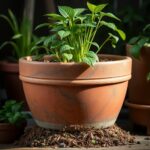
Can a planter function as a seeder?
Yes, many modern planters are designed with versatility in mind, allowing them to also function as seeders. They can be adjusted to handle various seed types and planting conditions, providing flexibility in agricultural practices.
Which equipment is generally more expensive, a planter or a seeder?
Generally, a planter is more expensive than a seeder due to its advanced technology and capabilities. Planters often incorporate more features for precision planting, which can lead to higher costs compared to the simpler design of most seeders.

If you want to read more articles like What is the difference between a planter and a seeder? A Comprehensive Guide to Understanding the Key Differences, we recommend you check out our Planter category.
Leave a Reply
Related Articles