What is the best height to cut grass to prevent weeds? Essential Tips for a Healthy Lawn
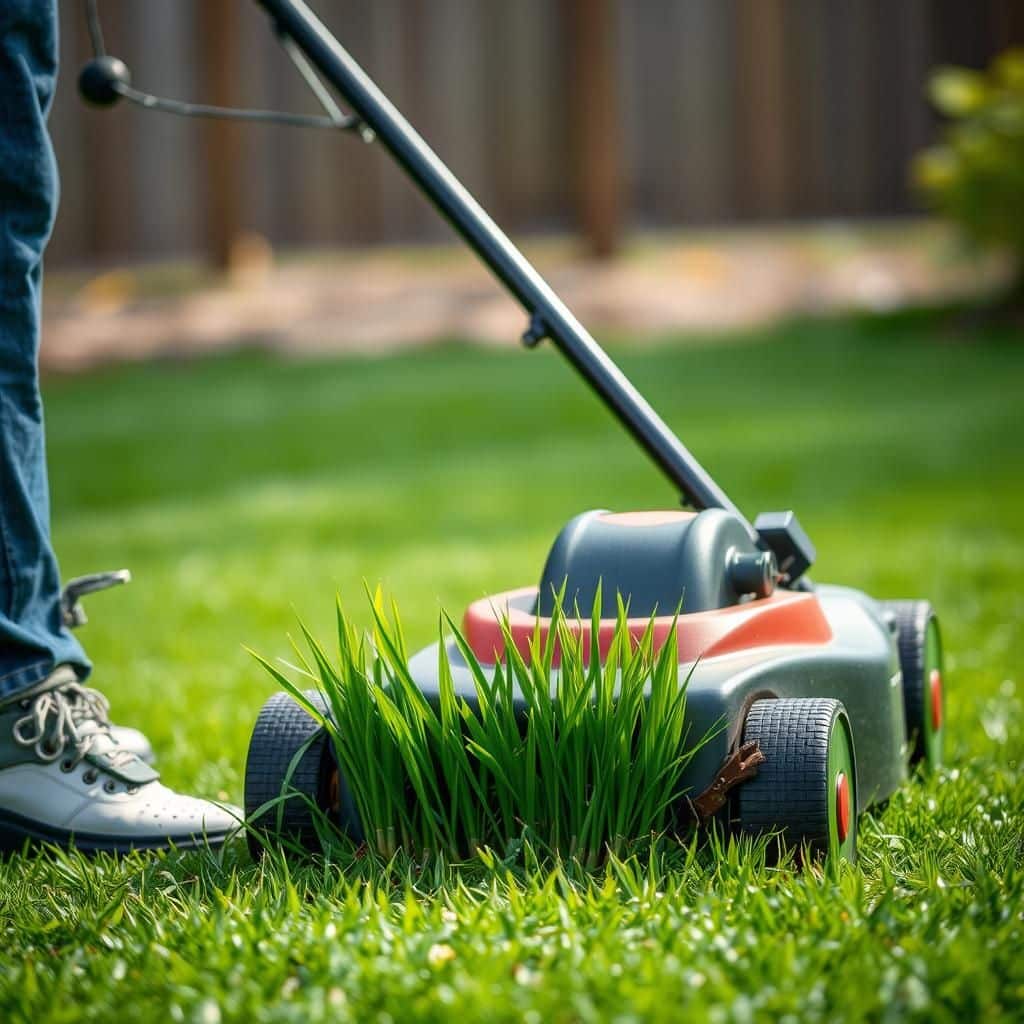
Maintaining a healthy lawn requires more than just regular watering and fertilization; lawn height plays a crucial role in preventing weeds. The appropriate grass cutting height not only promotes a lush and vibrant appearance but also suppresses unwanted weeds by encouraging deeper root growth and shading out competitors. In this article, we will explore the optimal height for cutting grass based on various types of turf, seasonal considerations, and other essential tips. Each lawn is unique, and understanding these factors will help you cultivate a thriving green space while keeping pesky weeds at bay.
What is the Optimal Grass Cutting Height to Prevent Weeds?
To effectively prevent weeds from thriving in your lawn, maintaining the optimal grass cutting height is crucial. Generally, keeping your grass at a height of 3 to 4 inches is recommended, as taller grass can create a shaded environment that inhibits weed growth. When grass is cut too short, it not only reduces its ability to photosynthesize efficiently but also exposes the soil to more sunlight, encouraging weed seeds to germinate. Additionally, a higher cutting height fosters deeper root systems, which helps the grass withstand drought and competition from weeds. Therefore, by adhering to this cutting height, you create a healthier, more resilient lawn that naturally suppresses weed infiltration.
Why Cutting Height Matters
The cutting height of your grass is significant because grass plants compete for sunlight, water, and nutrients. If cropped too low, grass can become stressed, allowing weeds to take advantage of the exposed resources. The ideal height not only promotes healthy growth but also minimizes the chance of weed seeds taking root, fostering a more balanced ecosystem in your lawn.
Effects of Cutting Grass Too Short
Cutting grass too short, known as scalping, can lead to various problems. It exposes the soil more directly to sunlight, which can accelerate the germination of weed seeds. Additionally, shortened grass has a diminished ability to photosynthesize, which can lead to a stressed lawn that requires more frequent watering and care. This stress can also attract pests and diseases, compounding the problem.
Recommended Grass Heights for Different Types
Different types of grass have unique optimal cutting heights. For example, Kentucky bluegrass should generally be cut at 2.5 to 3.5 inches, while Bermudagrass thrives best at a height of 1 to 2 inches. Maintaining the correct height for your specific grass type is critical for ensuring healthy growth and minimizing the competition from weeds.
Seasonal Adjustments to Cutting Height
Seasonal changes also dictate the best cutting heights for your grass. In cooler months, allowing grass to grow slightly taller can help it insulate against frost, while during the warmer months, cutting it at the recommended height prevents heat stress. Hence, being adaptable to seasonal shifts is key in maintaining a weed-free lawn.
Additional Lawn Care Practices to Prevent Weeds
While maintaining the correct cutting height is essential, employing additional lawn care practices can significantly enhance weed prevention. Regular aeration, proper fertilization, and consistent watering practices can improve soil health and grass resilience. Together with an appropriate cutting height, these practices create a hospitable environment for grass while making it more difficult for weeds to thrive.
| Grass Type | Recommended Height (inches) |
|---|---|
| Kentucky Bluegrass | 2.5 - 3.5 |
| Bermudagrass | 1 - 2 |
| Perennial Ryegrass | 2 - 3 |
| Zoysiagrass | 1 - 3 |
How high to cut grass to kill weeds?
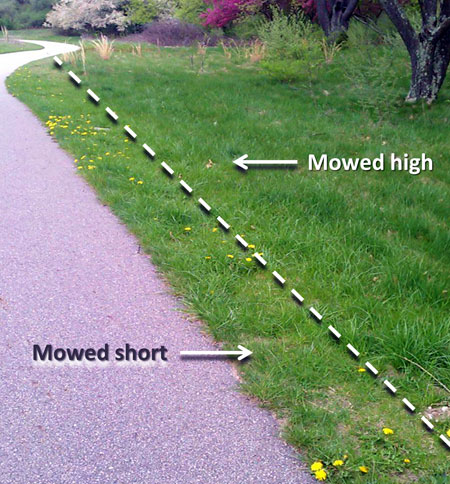
To effectively combat weeds while maintaining a healthy lawn, the height at which you cut grass is crucial. Generally, it is recommended to mow your grass to a height of 3 to 4 inches. Cutting the grass at this height can create an environment that is less favorable for weeds, as they typically prefer shorter, more frequently cut grass. Taller grass promotes deeper root systems, providing better drought resistance and shading the soil, which further inhibits weed growth.
Why Mowing Height Matters
The height at which you mow your grass is significant for several reasons:
See also:
- Shading: Taller grass provides shade to the soil, which can prevent weed seeds from germinating.
- Root Development: A higher mowing height allows grass to develop deeper roots, making it more resilient.
- Nutrient Competition: Well-established grass can outcompete weeds for nutrients and water.
Types of Grass and Their Ideal Cutting Height
Different types of grass have specific cutting height recommendations to thrive:
- Bermudagrass: Typically cut between 1 to 2 inches for optimal growth in warm climates.
- Fescue: Should be maintained at 3 to 4 inches to ensure a thick, lush lawn.
- Bluegrass: Ideal mowing height is around 2.5 to 3.5 inches, promoting healthy growth.
Best Mowing Practices
Adopting effective mowing practices can enhance your lawn's health:
- Regular Schedule: Mow consistently every 1 to 2 weeks during the growing season.
- Sharp Blades: Ensure mower blades are sharp to prevent tearing and damage to the grass.
- Grass Height Adjustment: Adjust the mower height based on seasonal growth conditions.
Common Weeds to Watch For
Identifying the types of weeds that typically invade lawns can help in formulating a strategy:
- Dandelions: Known for their deep taproot, they thrive in shorter grass.
- Crabgrass: Prefers open soil and can quickly take over if grass is cut too short.
- Thistle: These weeds can establish themselves in poorly maintained lawns.
Other Lawn Care Tips
In addition to mowing height, consider other lawn care practices to reduce weeds:
- Fertilization: Applying proper fertilizer can encourage strong grass growth, which helps suppress weeds.
- Watering: Deep watering encourages strong roots; avoid shallow, frequent watering that can lead to weaker grass.
- Overseeding: Thickening your lawn through overseeding can reduce the chance for weed establishment.
What height should grass be to choke out weeds?

To effectively choke out weeds, grass should ideally be maintained at a height of 3 to 4 inches. This height provides several benefits in the fight against weeds, allowing the grass to establish strong root systems while reducing the amount of sunlight that reaches weed seeds. Taller grass shades the soil, which helps in preventing weed germination and growth.
Benefits of Tall Grass
Maintaining grass at an optimal height offers various benefits that can contribute to its health and effectiveness in suppressing weeds:
- Shade: Taller grass creates shade on the soil surface, limiting sunlight that weeds need to germinate.
- Root Development: Grass that is allowed to grow taller tends to develop deeper and stronger roots, making it more resilient.
- Competition: Taller grass can outcompete weeds for nutrients and water, further inhibiting weed growth.
Ideal Grass Height During Different Seasons
The required grass height can vary based on the season. Managing grass height according to seasonal changes helps in maximizing its effectiveness:
- Spring: Aim for a height of about 3 inches as grass starts to grow rapidly.
- Summer: Maintaining a height of 3 to 4 inches helps to combat heat and drought while suffocating weeds.
- Fall: In this season, a height of around 3 inches encourages healthy growth while suppressing autumn weeds.
Best Grass Types for Weed Suppression
Choosing the right type of grass can greatly impact the effectiveness of weed suppression. Some grass types are more competitive than others:
- Bermudagrass: Known for its aggressive growth, it establishes quickly and can outcompete many weeds.
- Tall Fescue: With its deep roots and drought resistance, it effectively shades the soil and suppresses weeds.
- Perennial Ryegrass: This type quickly fills in bare spots, making it harder for weeds to take hold.
Mowing Practices for Optimal Grass Height
Proper mowing techniques can help maintain the desired grass height and thereby support weed suppression:
See also:
- Adjust Mower Height: Set your mower to a height that keeps grass at 3 to 4 inches.
- Frequent Mowing: Regularly mowing can promote healthy growth and help maintain the optimal height.
- Sharp Blades: Ensure that mower blades are sharp to give a clean cut, which supports grass health.
Additional Lawn Care Tips
In addition to maintaining the right height, there are several lawn care practices to consider that can enhance grass health and reduce weeds:
- Fertilization: A well-fed lawn grows thicker grass that can outcompete weeds.
- Soil Aeration: Aerating the lawn improves root growth and nutrient absorption.
- Weed Control: Employing natural or chemical weed control methods can help manage existing weeds.
Will I have more weeds if I cut my lawn short?

When cutting your lawn short, you may indeed increase the likelihood of weeds in your yard. This is primarily due to several underlying reasons related to how grass and weeds compete for resources. Here’s an exploration of this topic in detail.
Understanding Grass Growth Patterns
The growth patterns of grass are crucial in determining weed prevalence.
- Crowning Effect: When grass is cut too short, it can struggle to grow back effectively, leaving spaces for weeds to take root.
- Weed Adaptability: Many weeds are adapted to thrive in low-cut environments where grass is weakened, thus increasing their chances of flourishing if the grass is short.
- Competition for Resources: If grass is cut low, it may not capture enough sunlight to photosynthesize effectively, reducing its ability to compete with weeds for nutrients and water.
Impact of Mowing Height on Soil Temperature
The height at which you mow your lawn significantly influences soil temperature, which in turn affects weed growth.
- Soil Warmth: Short grass can lead to warmer soil temperatures, creating a favorable environment for weed seeds to germinate and grow.
- Moisture Retention: Taller grass blades shade the soil, helping to retain moisture, which is beneficial for grass but may help weeds thrive if the lawn is cut too short.
- Microclimate Effects: The microclimate created by shorter grass can support the growth of various weed species that prefer warmer, drier conditions.
Frequency of Mowing and Weed Seed Spread
The frequency of mowing can affect the spread of weed seeds, especially in relation to cutting height.
- Cutting Frequency: Mowing too short too often may inadvertently spread weed seeds throughout the lawn.
- Weed Seed Production: If weeds are allowed to flower and produce seeds before mowing, they can increase in number dramatically if the grass is kept short.
- Recovery Time: Cutting grass too low can limit its recovery time, allowing weeds to establish themselves in the interim.
Healthy Lawn Practices
Maintaining a healthy lawn can reduce the chances of weed infestation when mowing practices are considered.
- Optimal Cutting Height: Maintaining grass at a longer height (typically 2.5 to 4 inches) encourages a denser lawn that can crowd out weeds.
- Fertilization: Regular fertilization helps promote healthy grass that can better withstand weed competition.
- Watering Techniques: Adjusting your watering practices can enhance grass health; longer grass requires less frequent watering, which can prevent weeds from thriving.
Types of Weeds Affected by Grass Height
The types of weeds that can proliferate depending on grass height can vary considerably.
- Common Weeds: Weeds like dandelions and crabgrass tend to flourish in areas where grass is cut too short.
- Annual vs. Perennial Weeds: Shorter grass can favor the growth of annual weeds, which need less time to establish compared to perennials.
- Weed Suppression: Growth patterns of certain grasses can suppress specific types of weeds, emphasizing the importance of correct cutting height.
Questions from Our Readers
What is the ideal grass height to prevent weeds?
Maintaining your lawn at a height of 3 to 4 inches is generally recommended to effectively prevent weeds. When grass is cut too short, it becomes less competitive against weeds, allowing them to thrive. Longer grass shades the soil, reducing light penetration and inhibiting weed seed germination.
How does mowing height affect weed growth?
The mowing height plays a crucial role in turf health and weed prevention. By keeping grass at 3 inches or higher, you provide a dense canopy that can outcompete weeds for essential resources like sunlight, water, and nutrients. Taller grass also promotes deeper root systems, making grass more resilient to drought and other stressors.
See also:
Can cutting grass too short lead to more weeds?
Yes, cutting grass too short can significantly increase the likelihood of weed invasion. When grass is scalped, it stresses the plant, making it more vulnerable and allowing weeds to establish themselves quickly. A shorter height exposes the soil to sunlight, which facilitates the germination of weed seeds.
Are there specific grass types that require different cutting heights?
Yes, different grass types have varying optimal cutting heights for health and weed suppression. For example, Bermudagrass typically thrives at 1 to 2 inches, while Kentucky bluegrass may prefer a height of 2.5 to 3.5 inches. It's essential to research your specific grass type to determine the ideal cutting height for best results.

If you want to read more articles like What is the best height to cut grass to prevent weeds? Essential Tips for a Healthy Lawn, we recommend you check out our Lawn category.
Leave a Reply
Related Articles