Ultimate Guide: What is the best way to get rid of weeds in your garden?
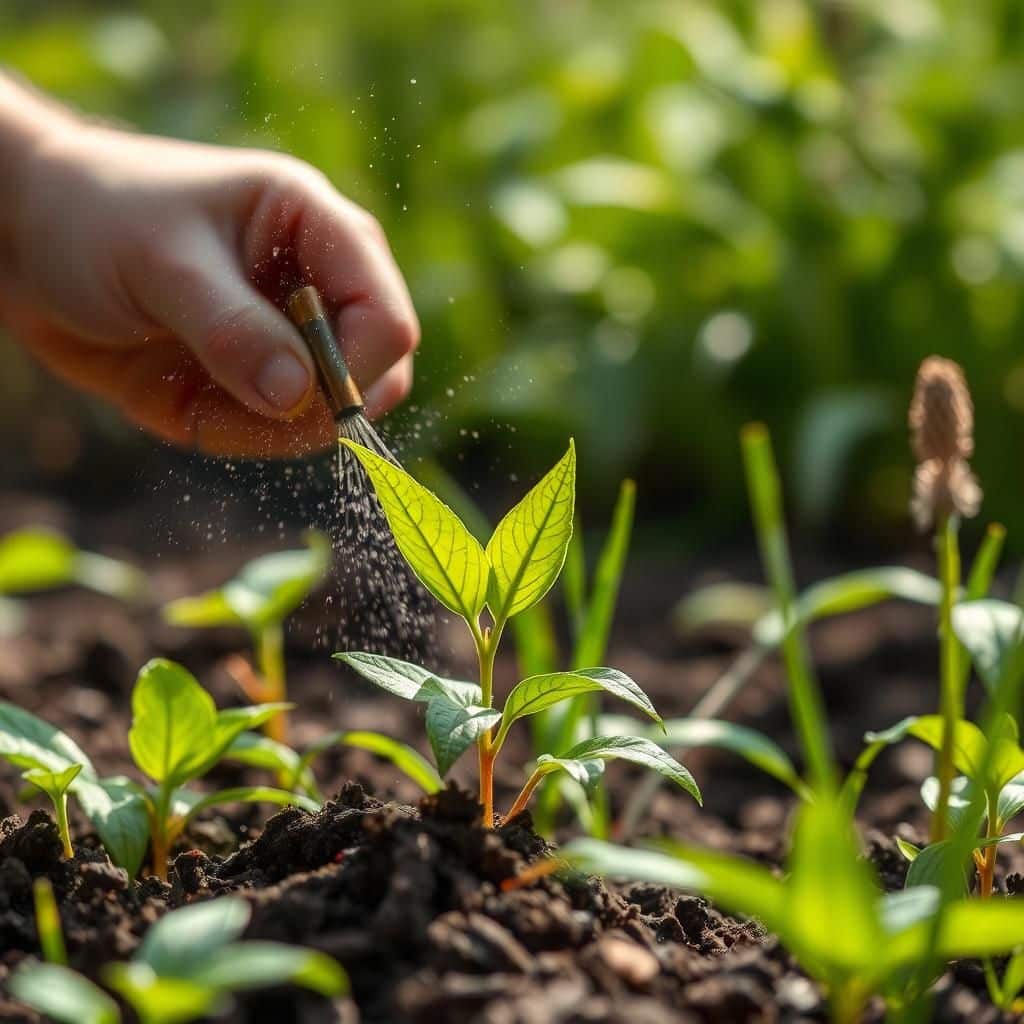
Weeds can be a gardener's worst nightmare, creeping in to choke out your prized plants and disrupt the harmony of your outdoor space. In this ultimate guide, we'll explore effective methods for controlling and eliminating weeds, ensuring your garden thrives. From natural solutions using common household items to advanced techniques suited for larger areas, we will cover a range of strategies to fit your needs. Whether you’re a seasoned horticulturist or a weekend warrior, understanding the best ways to manage weeds is essential for maintaining a beautiful and productive garden. Dive in and discover the secrets to a weed-free paradise!
Effective Methods for Weed Control in Your Garden
To effectively get rid of weeds in your garden, the best approach combines both cultural practices and mechanical removal. Start by regularly monitoring your garden for signs of weeds and promptly addressing them before they establish roots. One effective method is to use mulch, which not only suppresses weed growth by blocking sunlight but also retains moisture. For existing weeds, hand-pulling or using a hoe to cultivate the soil can be very effective, especially when done after rain when the soil is softer. Additionally, employing organic herbicides or boiling water can help eliminate more stubborn weeds without harming the environment. Finally, maintaining healthy soil and dense plant coverage will naturally crowd out weeds and reduce their occurrence.
Understanding Weeds and Their Growth Cycle
Understanding the different types of weeds and their growth cycles is crucial for effective control. Weeds can be categorized into annual, biennial, and perennial species, each with distinct life processes. Annual weeds, such as crabgrass, complete their life cycle in one year and are often the most bothersome in gardens. Biennial weeds, like foxglove, typically grow for two years before flowering, while perennial weeds, such as dandelions, can persist for many seasons if not managed properly. By recognizing these growth patterns, gardeners can tailor their removal strategies for better results.
Using Mulch to Prevent Weeds
Utilizing mulch is one of the most effective preventative measures against weed growth. By applying a generous layer of organic or inorganic mulch, you can block sunlight from reaching the soil, which inhibits weed seed germination. Organic mulches, such as wood chips or straw, not only suppress weeds but also enrich the soil as they decompose. It’s best to apply a layer of 2-4 inches of mulch around desirable plants, taking care to keep it away from plant stems to prevent decay and pest issues. Regularly replenishing the mulch will ensure its effectiveness throughout the growing season.
Manual Weed Removal Techniques
Manual removal of weeds can be a highly effective method, especially when done regularly. Hand-pulling is best done after rainfall or watering, as the soil is softer, making it easier to remove the entire root. Using tools like a hoe or a weeding fork can also make this task easier and more efficient. It's crucial to pull out the entire root to prevent the weed from regrowing. For larger infestations, it might be practical to use a cultivator to disturb the soil and uproot several weeds at once, keeping in mind to avoid damaging nearby plants.
Organic Herbicides and Alternative Solutions
For gardeners looking for chemical-free options, organic herbicides can be a good alternative to traditional weed killers. These products often contain natural ingredients like acetic acid or clove oil, which can effectively kill weeds upon contact. Alternatively, boiling water can be poured directly onto weeds to scald them, a method beneficial for visible weeds in pathways or patio stones. Another option is using corn gluten meal, which acts as a pre-emergent to prevent weed seeds from germinating. Always ensure to apply these substances carefully to avoid harming desired plants.
Maintaining Soil Health to Deter Weeds
Healthy soil contributes significantly to the growth of strong plants, which can outcompete weeds for nutrients and water. Regularly enriching your soil with compost and organic matter helps improve fertility, which in turn strengthens desirable plants. Additionally, practicing crop rotation and keeping the soil well-aerated can further support plant vitality. When plants are thriving, they create a denser coverage that shades the soil and reduces the chances of weed establishment. This proactive approach makes it much harder for weeds to gain a foothold in your garden.
| Weed Type | Life Cycle | Control Method |
|---|---|---|
| Crabgrass | Annual | Mulch, Manual Removal |
| Foxglove | Biennial | Hand-pulling |
| Dandelion | Perennial | Organic Herbicides |
How do I kill weeds in my garden without killing my plants?

To effectively manage weeds in your garden without harming your plants, you can employ several methods that are both natural and safe. Here are some strategies to consider:
Natural Weed Control Methods
Utilizing natural weed control methods can help minimize the impact on your plants. Here are some effective techniques:
- Mulching: Applying a thick layer of organic mulch around your plants can suppress weed growth while retaining moisture.
- Boiling Water: Pouring boiling water on weeds can kill them without harming nearby plants, as long as you are careful to avoid the desirable ones.
- Vinegar: Using a solution of vinegar can be effective against weeds. Spot spray directly on weeds, taking care to keep it away from your plants.
Hand Weeding Strategies
Hand weeding is a labor-intensive but effective method that ensures you remove weeds without damaging other plants. Follow these tips:
- Timing: Weeding after a rain makes it easier to remove the entire root system from the soil.
- Root Removal: Use a hand tool to dig out the weeds, ensuring you remove as much of the root as possible to prevent regrowth.
- Regular Maintenance: Establish a routine for checking and removing weeds every few weeks to keep them under control.
Using Corn Gluten Meal
Corn gluten meal is a natural pre-emergent herbicide that can prevent weed seeds from germinating. Consider the following:
- Application Timing: Apply corn gluten meal in early spring, just before the weeds start to germinate.
- Rate of Application: A common recommendation is 20 pounds per 1,000 square feet for optimal effectiveness.
- Watering: After application, lightly water the area to activate the corn gluten meal and enhance its effectiveness.
Organic Herbicides
There are various commercial organic herbicides available that can effectively target weeds without harming your plants. Look for these characteristics:
See also:
- Active Ingredients: Choose products containing natural ingredients like citric acid or clove oil for targeted weed control.
- Application Method: Apply during dry weather for maximum effect, ensuring you spray directly on the weeds.
- Follow Instructions: Carefully follow the product instructions to avoid damaging your plants or other beneficial organisms in your garden.
Soil Health Maintenance
Maintaining healthy soil is a proactive approach to preventing weed growth. Here are some practices:
- Soil Testing: Test your soil regularly to ensure it has the right pH and nutrient balance, which promotes the health of your plants.
- Cover Crops: Consider planting cover crops during the off-season to suppress weed growth and enrich the soil.
- Companion Planting: Utilize companion planting strategies where certain plants can inhibit weed growth while benefiting your cultivated plants.
Does vinegar, Epsom salt, and Dawn dish soap really kill weeds?

The combination of vinegar, Epsom salt, and Dawn dish soap is often touted as a natural alternative for killing weeds. Each ingredient has its own properties that can contribute to weed control, but the effectiveness of the mixture can vary depending on the type of weed, environmental conditions, and application method.
How Vinegar Works Against Weeds
Vinegar contains acetic acid, which is a well-known herbicide. When applied to weeds, it dehydrates the plant, causing it to wilt and die. However, the concentration of acetic acid is crucial for effectiveness.
- Household vinegar typically contains 5% acetic acid, which may kill young, small weeds but is less effective on stubborn perennial weeds.
- High-concentration vinegar, often found in gardening stores (20% acidity), is much more potent, leading to faster and more comprehensive weed kill.
- The best results are observed in dry, sunny conditions, as the acid is more effective when the plants are stressed and the sunlight helps with evaporation.
The Role of Epsom Salt
Epsom salt, or magnesium sulfate, has become popular as a gardening supplement. While its primary function is to provide magnesium, it also helps in distressing weeds.
- Disruption of plant metabolism: Epsom salt can interfere with the uptake of water and nutrients, stressing the weed plants.
- It can enhance the effectiveness of vinegar when mixed together, helping to create a more hostile environment for weeds.
- Using Epsom salt can also help to balance soil nutrient levels, which indirectly supports healthier neighboring plants, allowing them to compete better with weeds.
The Function of Dawn Dish Soap
Dawn dish soap acts as a surfactant in the mixture. Surfactants reduce the surface tension of liquids, allowing them to spread and adhere better to plant surfaces.
- Improved adhesion: Dawn dish soap helps the mixture stick to the leaves of weeds, allowing for deeper penetration of vinegar and Epsom salt.
- By breaking down the protective waxy layer on the weed leaves, soap enhances the herbicidal effects of vinegar.
- It's essential to use a small amount, as excessive soap can lead to unintended damage to surrounding plants and soil health.
Application Methods for Maximum Effectiveness
Proper application is critical to successfully killing weeds using this mixture. There are several key methods to consider to achieve the best results.
- Apply the mixture during peak sunlight hours to maximize the drying effects of the vinegary solution.
- Use a spray bottle to apply the solution directly onto the weed leaves for concentrated targeting.
- A void spraying on windier days to prevent drift onto desirable plants and ensure that the mixture only contacts unwanted weeds.
Limitations and Considerations
While the vinegar, Epsom salt, and Dawn dish soap mixture can be effective, it is not without limitations. Understanding these can inform proper use.
- The solution may only target existing weeds, without affecting seeds in the soil or preventing future growth.
- It may require several applications, especially for tough perennial weeds.
- This homemade solution can harm any plants it touches, so care must be taken to protect surrounding flora.
What is the easiest way to remove weeds from a garden?

The easiest way to remove weeds from a garden involves a combination of manual removal, the use of tools, and preventive measures. Here are some effective methods to consider:
Manual Weeding
Manual weeding is one of the simplest and most direct methods to remove weeds. It requires minimal tools and can be done at any time.
- Pulling Weeds by Hand: This method is effective for small gardens. Wearing gloves, grasp the weed as close to the base as possible, and pull gently to avoid breaking the root.
- Using a Weeding Tool: For deeper-rooted weeds, a hand weeder tool can help pry the weed out more efficiently. Ensure you're removing the entire root to prevent regrowth.
- Timing: The best time to weed is after rain when the soil is moist, making it easier to uproot weeds.
Mulching
Mulching is a great preventive measure that also aids in weed removal. It involves covering the soil with a protective layer.
- Organic Mulch: Materials like straw, wood chips, or grass clippings can suppress weed growth while enriching the soil as they decompose.
- Landscape Fabric: This is a physical barrier that prevents weeds while allowing water and nutrients to penetrate. Place it over the soil before adding mulch on top.
- Continuous Maintenance: Replenish mulch regularly to maintain its effectiveness, especially after heavy rains.
Boiling Water
Using boiling water is a natural and effective method to kill weeds, particularly those in hard-to-reach areas.
See also:
- Application: Simply boil water and pour it directly onto the weeds. The extreme heat will damage the plant cells, effectively killing the weed.
- Targeting Specific Areas: This method is ideal for weeds growing in pathways or between patio stones, as it minimizes damage to surrounding plants.
- Safety Precautions: Take care not to splash boiling water on desired plants, and use heat-resistant gloves when handling boiling water.
Chemical Herbicides
Chemical herbicides can be used for more extensive or stubborn weed problems, although they require caution.
- Selective Herbicides: These target specific types of weeds while leaving desired plants unharmed. Choose a product that suits your garden's needs.
- Application Guidelines: Follow the manufacturer's instructions carefully for best results and to minimize environmental impact.
- Timing of Application: Apply herbicides during the active growing season of weeds for maximum effectiveness.
Regular Maintenance
Regular maintenance is crucial in keeping weeds under control in any garden.
- Frequent Checks: Regularly inspect your garden for emerging weeds. The earlier you remove them, the easier it will be.
- Healthy Soil: Maintaining healthy soil through composting can promote robust plant growth, which helps to outcompete weeds.
- Proper Plant Spacing: Planting your flowers or vegetables close together can provide natural competition to weeds and minimize their growth.
Is it better to pull weeds or spray them?
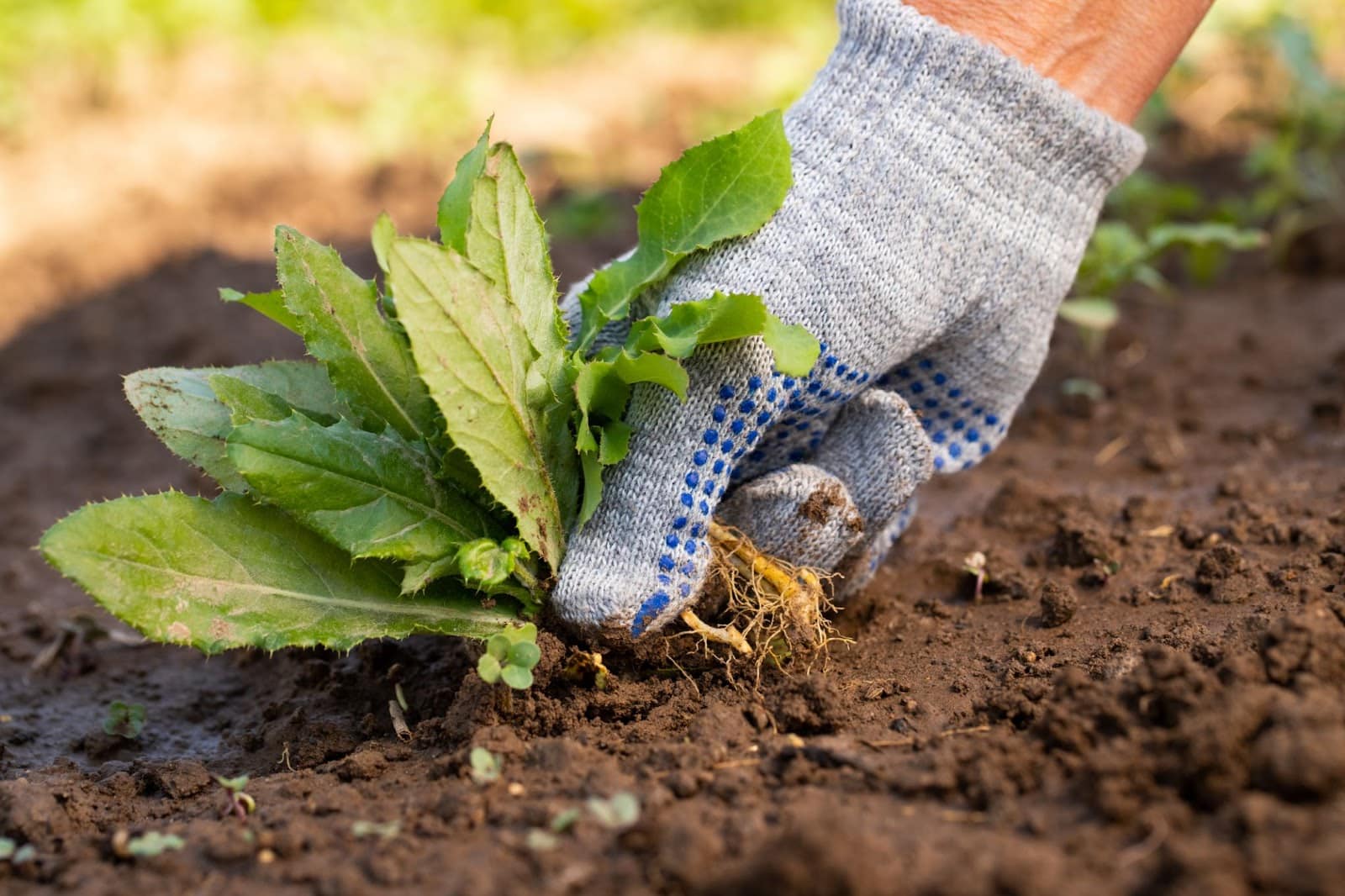
When considering whether it's better to pull weeds or spray them, several factors come into play, including effectiveness, environmental impact, and long-term results.
Pulling weeds by hand is often favored for several reasons. It ensures that the entire root system of the weed is removed, which can help prevent regrowth. This method is particularly beneficial for individual weeds or small infestations. However, it can be labor-intensive and time-consuming, especially in larger gardens or lawns.
On the other hand, spraying weeds with herbicides offers a quicker and often more efficient solution for larger areas. Chemical herbicides can target specific weed species and can be effective in eradicating them without the need for manual labor. However, the use of chemicals raises concerns regarding the potential for environmental damage and harm to non-target plants or beneficial insects.
Effectiveness of Hand Weeding
Hand weeding can be very effective for small areas:
- Complete Removal: Pulling weeds ensures that the roots are extracted, preventing regrowth.
- Targeted Action: You can selectively remove weeds without affecting nearby plants.
- Soil Health: Hand weeding can improve soil aeration and stimulate beneficial organisms.
Advantages of Chemical Herbicides
Using herbicides presents certain advantages for weed management:
- Time Efficiency: Spraying can cover large areas in a short amount of time.
- Strong Action: Herbicides can eliminate tough weeds that may be difficult to pull by hand.
- Less Physical Labor: This method reduces the need for strenuous manual work.
Environmental Considerations
It is crucial to evaluate the environmental impact of both methods:
- Chemical Contamination: Herbicides can leach into soil and waterways, affecting ecosystems.
- Biodiversity: Using chemicals can unintentionally harm beneficial plants and insects.
- Organic Options: Hand weeding is a natural method that preserves ecosystem balance.
Long-Term Maintenance
Both methods influence long-term weed management:
- Persistence: Hand weeding may require regular attention to prevent re-establishment.
- Resilience: Weeds may develop resistance to repeated herbicide applications.
- Preventive Measures: Mulching and proper lawn care can enhance long-term effectiveness of both approaches.
Cost Implications
The financial aspect is also an important factor to consider:
- Initial Costs: Herbicides can be expensive, depending on the brand and effectiveness.
- Labor Costs: Hand weeding requires time investment, which can have significant labor costs.
- Long-Term Savings: Investing in sustainable practices may reduce the need for interventions over time.
Questions from Our Readers
What are the most effective natural methods to eliminate weeds?
One of the most effective natural methods to eliminate weeds is to apply a layer of mulch around your plants, which blocks sunlight and inhibits weed growth. Additionally, using boiling water or a mixture of vinegar and salt can kill weeds without harming the environment when applied directly to the offending plants.
How can I prevent weeds from growing in my garden?
To prevent weeds from growing, it’s essential to maintain a healthy garden soil by regularly adding organic matter and using ground cover plants. Also, practicing methods like crop rotation and keeping your garden well-weeded during the growing season can significantly reduce weed emergence.
See also:
Are chemical herbicides a good option for weed control?
Chemical herbicides can be an effective option for weed control, but they come with risks such as harming beneficial insects and negatively impacting soil health. It’s important to choose a selective herbicide carefully and follow the instructions closely to minimize any negative effects on the garden ecosystem.
When is the best time to tackle weeds in my garden?
The best time to tackle weeds in your garden is during their germination period, typically in the spring, when the soil is warm and damp. It’s also advisable to weed regularly throughout the growing season, as catching them early prevents them from maturing and spreading seeds, making eradication easier.

If you want to read more articles like Ultimate Guide: What is the best way to get rid of weeds in your garden?, we recommend you check out our Weeds category.
Leave a Reply
Related Articles